
September 7
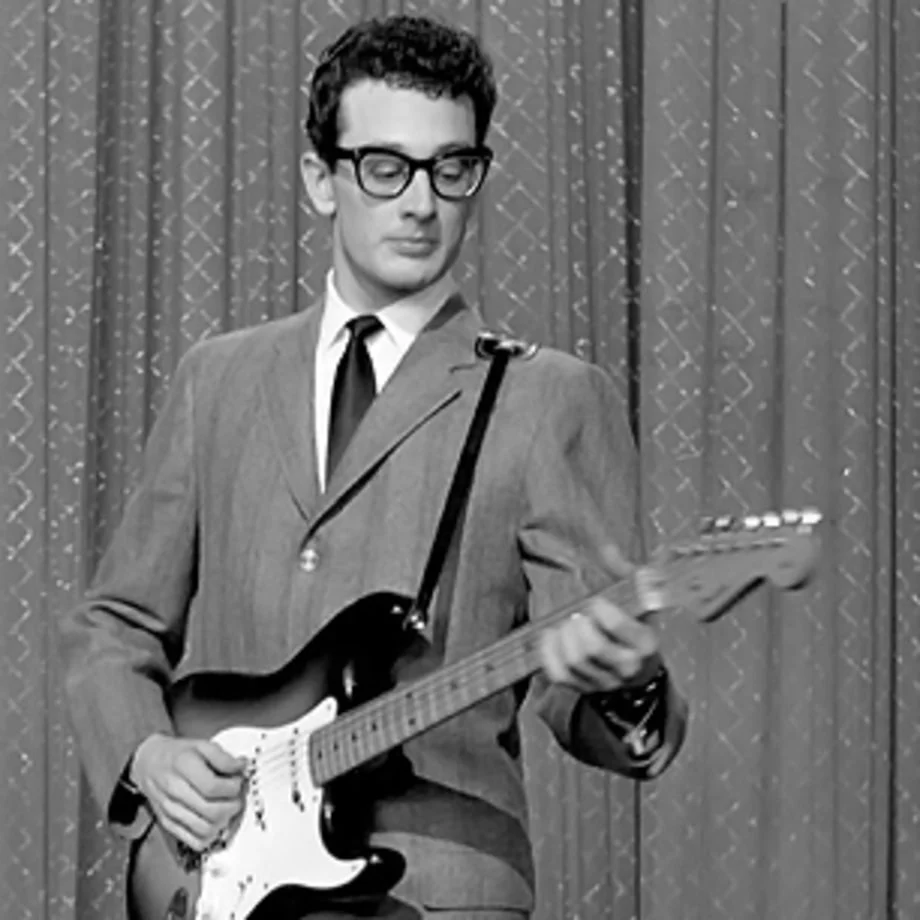
1936 - Buddy Holly is born
Born on September 7, 1936, Buddy Holly became one of rock and roll's earliest architects, accomplishing in a tragically short career what most artists never achieve in a lifetime. With The Crickets, Holly helped establish the guitar-bass-drums band format that countless rock groups would follow, while his songwriting and studio experimentation pushed the young genre forward. Songs like "That'll Be the Day", "Peggy Sue", "Oh, Boy!", and "Rave On" became early rock standards, and his influence reached directly into the generation that followed, including The Beatles and The Rolling Stones. Holly was only 22 when he died in the February 3, 1959 plane crash later remembered as "The Day the Music Died." His recording career lasted only a few years, but the blueprint he left behind helped shape rock music for decades.
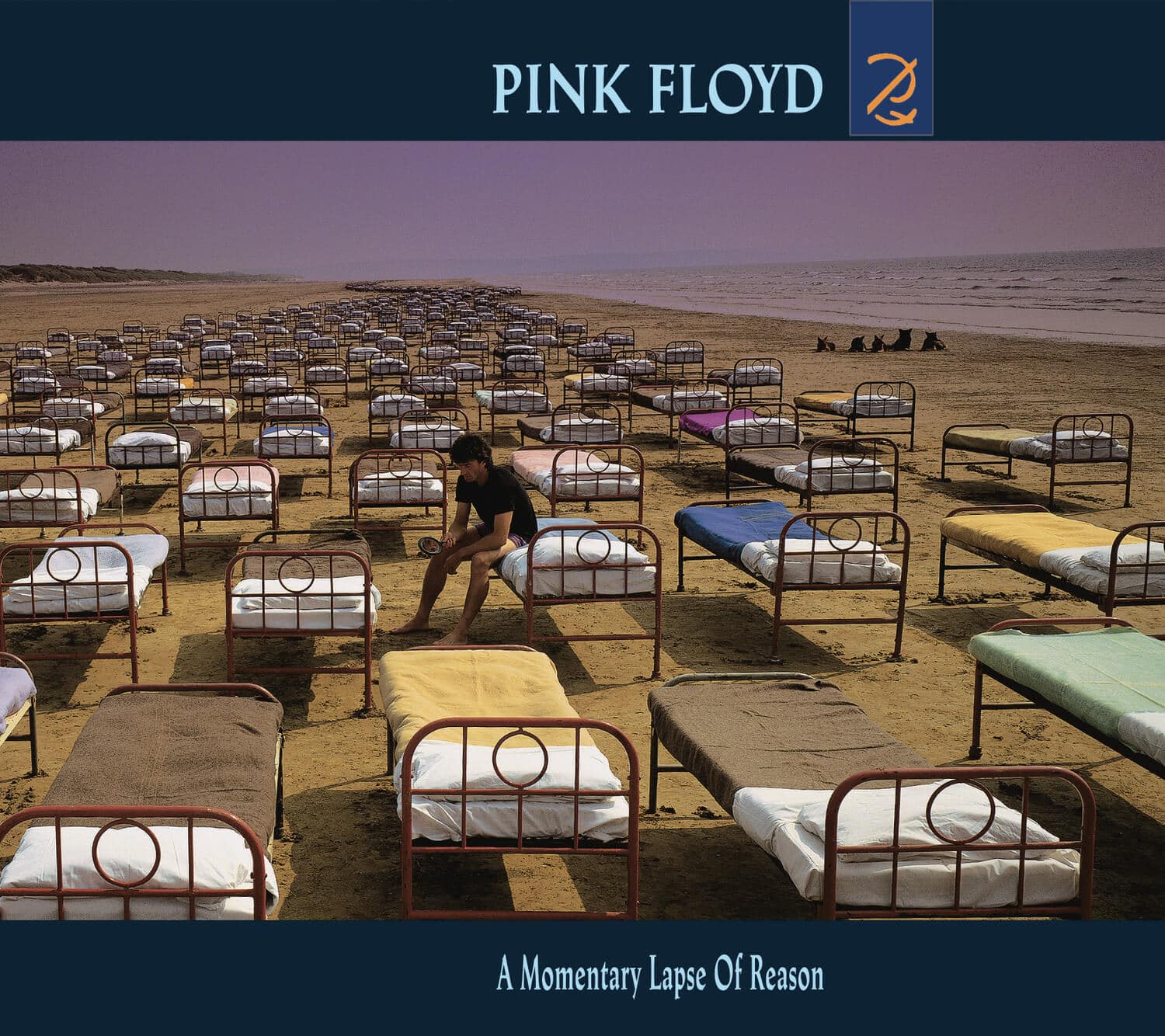
1987 - Pink Floyd releases A Momentary Lapse of Reason
On September 7, 1987, Pink Floyd released A Momentary Lapse of Reason in the UK, their first studio album following Roger Waters' departure. With David Gilmour taking the creative lead alongside Nick Mason and the returning Richard Wright, the record opened an entirely new chapter in the band's history and proved that Pink Floyd would continue. Featuring "Learning to Fly", "On the Turning Away", "The Dogs of War", "One Slip", and the atmospheric "Sorrow", the album embraced the expansive production and technology of the late 1980s while retaining the sweeping guitar work and cinematic atmosphere associated with Pink Floyd. It reached No. 3 in both the UK and United States and launched an enormous world tour that reestablished the band as a stadium-level force. Produced by David Gilmour and Bob Ezrin.
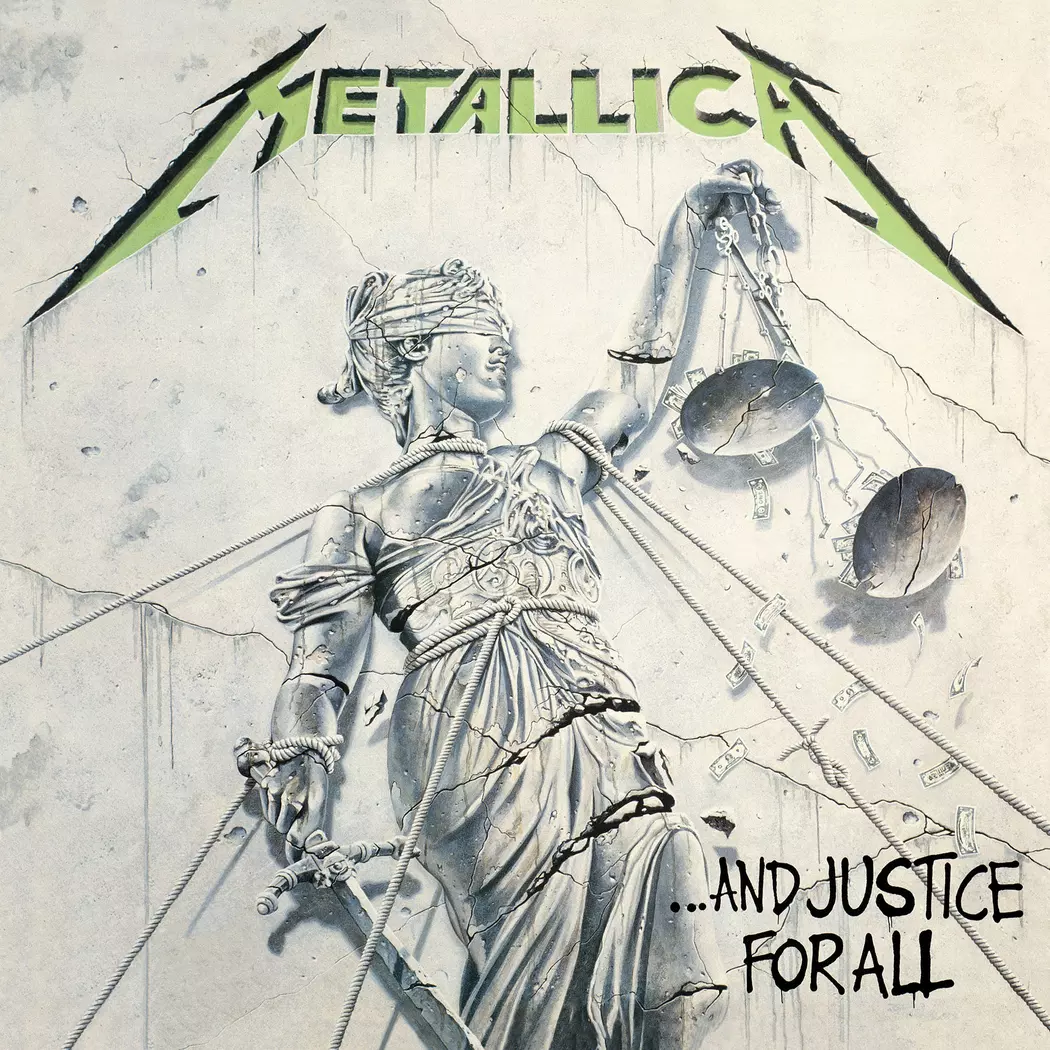
1988 - Metallica releases ...And Justice for All
On September 7, 1988, Metallica released ...And Justice for All, their fourth studio album and their first full-length record with bassist Jason Newsted following the death of Cliff Burton. The album pushed the band's progressive instincts to the extreme, combining intricate arrangements, relentless riffing, shifting time signatures, and lyrics focused on corruption, injustice, war, and political manipulation. Featuring "One", "Harvester of Sorrow", "Eye of the Beholder", "Blackened", and the sprawling title track, ...And Justice for All carried Metallica deeper into the mainstream without sacrificing their complexity or aggression. "One" produced the band's first music video and became one of their defining songs, while the album earned Metallica their first Grammy nomination. Despite the famously near-inaudible bass in the original mix, ...And Justice for All remains one of thrash metal's most ambitious landmarks. Produced by Metallica and Flemming Rasmussen.